Thirty years ago, during the Višnjan School of Astronomy, a group of students theorized that databases, rather than telescopes, would become the core of future observatories. In this model, telescopes would shift from being primary observation tools to standard peripherals within an observatory’s computer network. At the time, this concept was unprecedented, clearly ahead of its time. Mario Jurić, then a physics student at the Faculty of Science in Zagreb, led the project to develop a virtual observatory. A year later, the first Višnjan Observatory Information Database (VOID) was created, supported by the Croatian Academic and Research Network (CARNET), which was still in its early days at the time.
The following year, the Višnjan Observatory ranked among the top five globally in asteroid confirmation – an achievement exceeding its hardware and personnel capacities by a factor of one hundred. As the observatory carried on with its work, Mario relocated to the US to continue his studies. There, he joined a research group led by physicist Željko Ivezić, focusing on future observatory infrastructure. This collaboration contributed to the conceptualization of the LSST (Legacy Survey of Space and Time), a major US telescope project that required technologies unavailable at the time. Following decades of planning, development and multi-billion-dollar fundraising, the US today operates the largest, most expensive, and most advanced wide-field telescope in Chile. The Vera C. Rubin Observatory is now operational, with the University of Washington (UW) in Seattle playing a key role in its development.
Mario Jurić, currently a researcher and professor at the University of Washington (UW), sought ways to motivate top-performing students in the field, bringing the journey full circle. This led to the creation of an astronomy practicum within the UW Study Abroad 2026 programme: a four-week placement for UW students in Europe. Part of the programme took place at the University of Nova Gorica in Slovenia, followed by 14-days of practical training at the Višnjan Observatory.
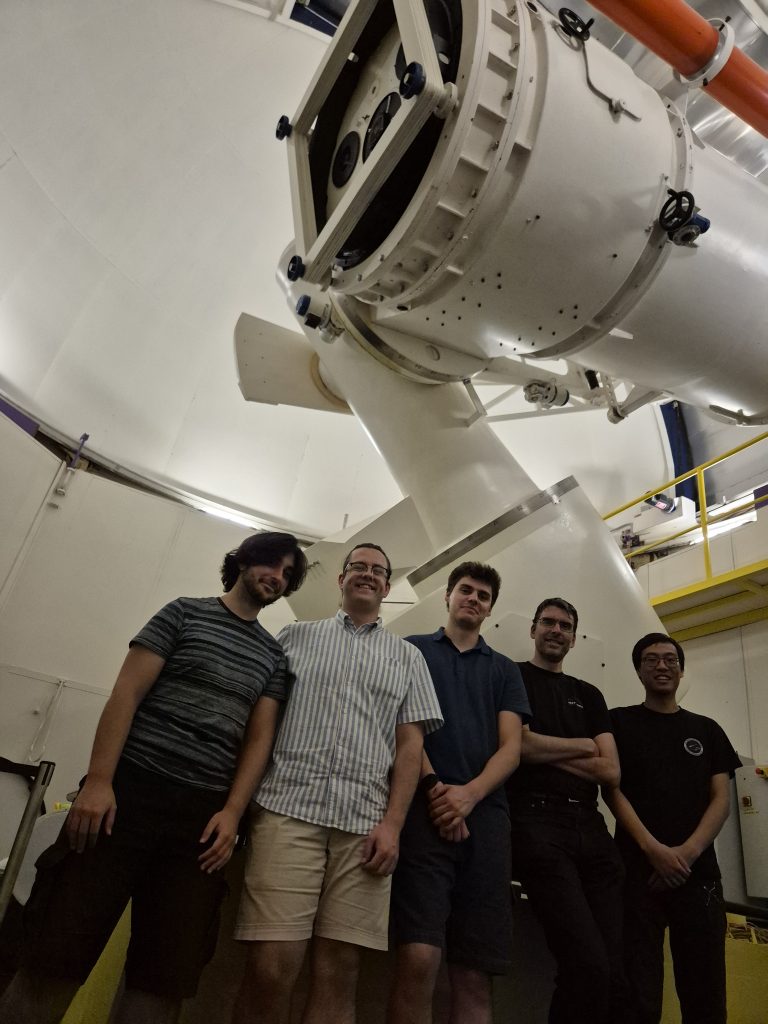
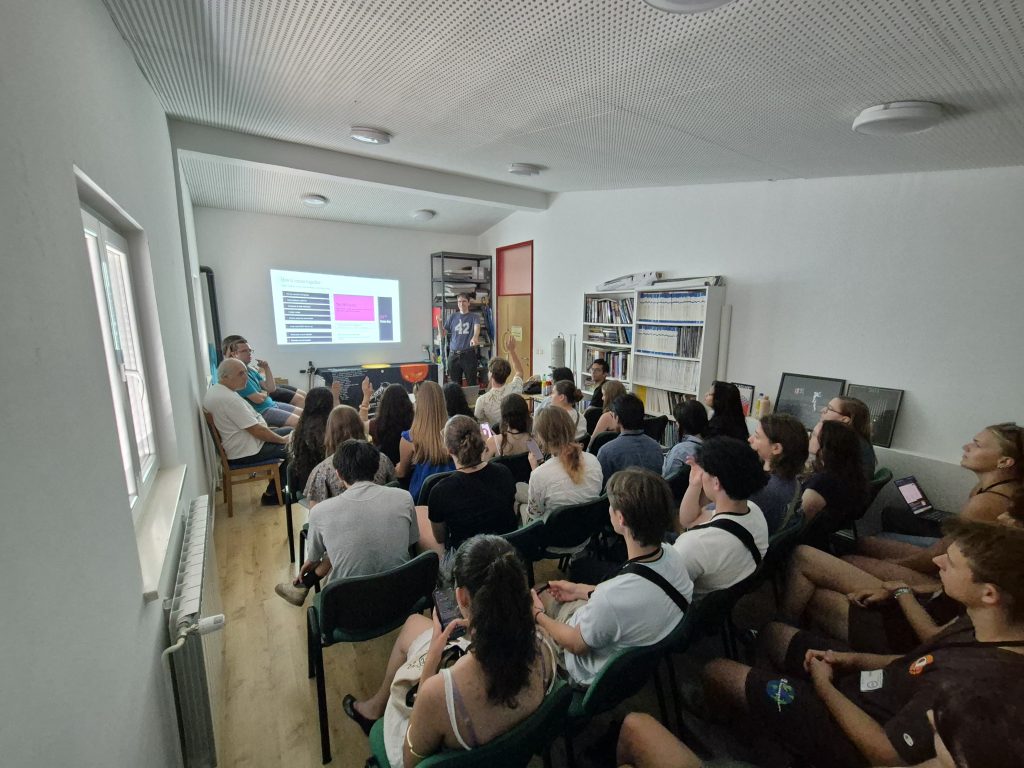
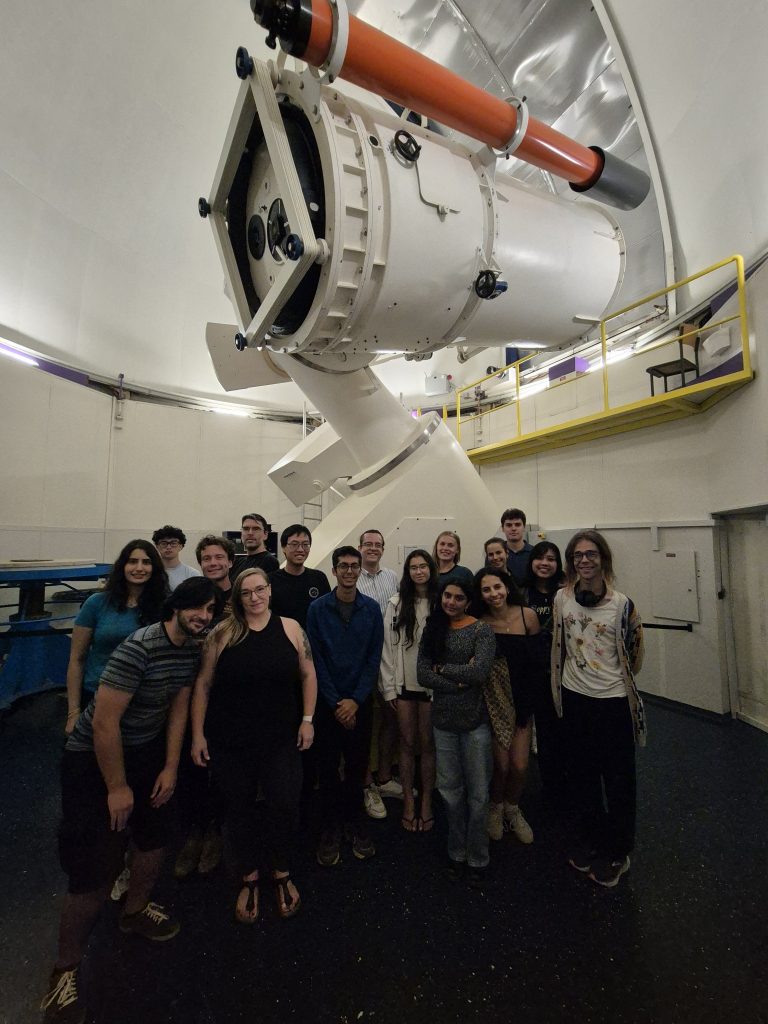
A total of 29 students stayed in Višnjan: 23 students from the University of Washington (UW), four from the Faculty of Electrical Engineering and Computing (FER) in Zagreb, one from the Faculty of Engineering in Rijeka (RITEH), and one from the Faculty of Sciences in Novi Sad. The project was officially organized by the University of Washington (UW) and Višnjan Observatory, in partnership with the Faculty of Engineering in Rijeka (RITEH) and Faculty of Electrical Engineering and Computing (FER) in Zagreb. Mentors included Mario Jurić (UW), Ian Chow (UW), Luka Poropat (Višnjan Observatory), Marko Radolović (FER, Višnjan Observatory), Gašpar Dončević (FER), and Petar Gljušćić (RITEH).
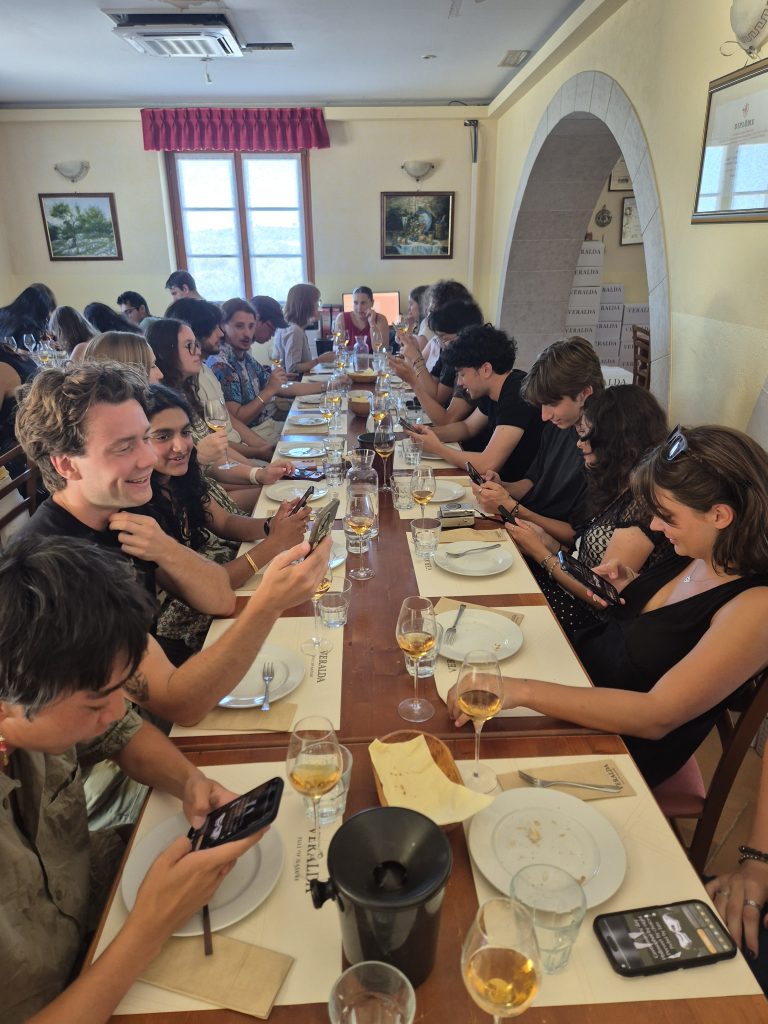
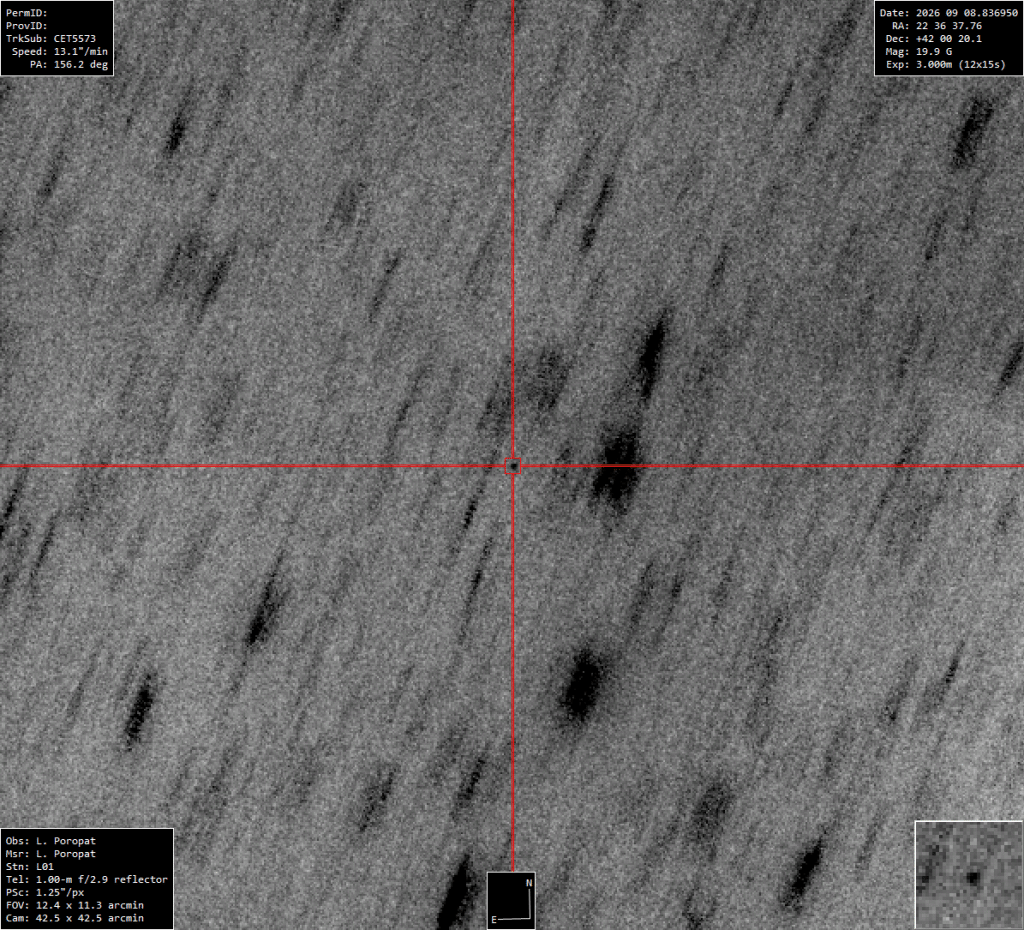
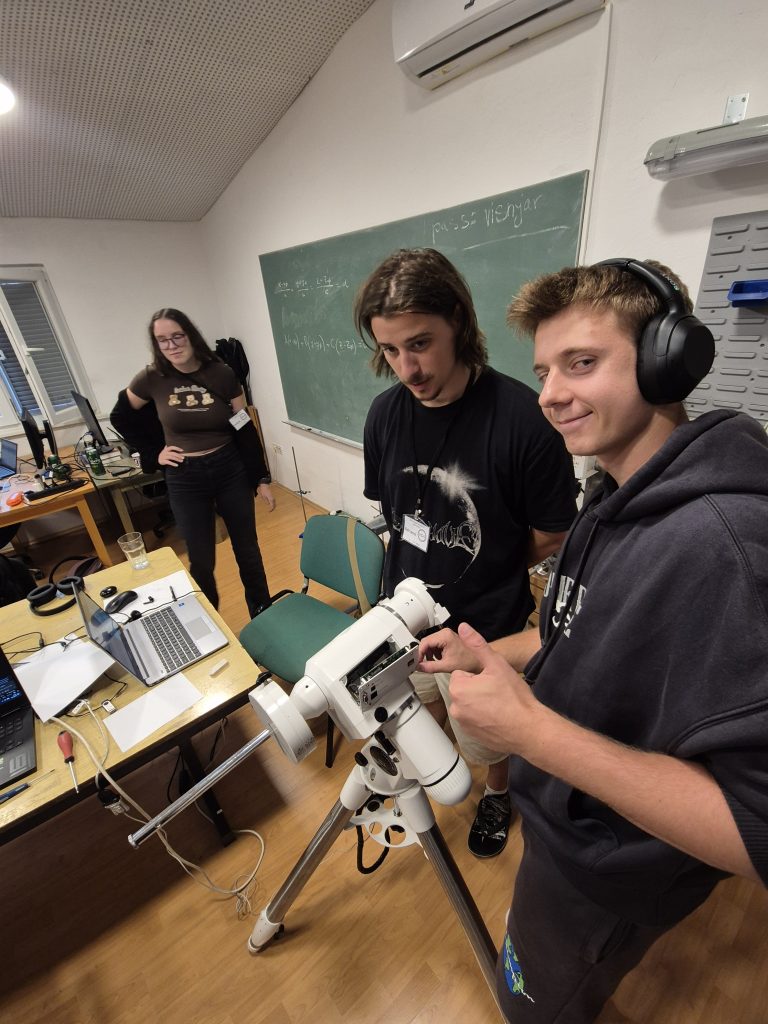
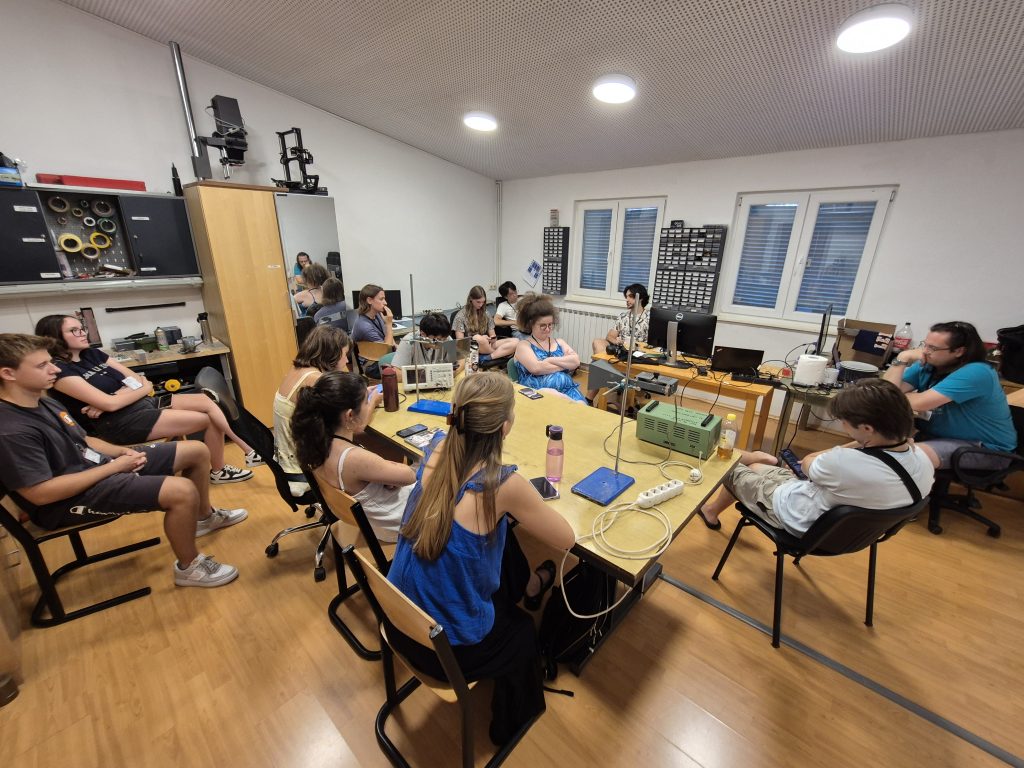
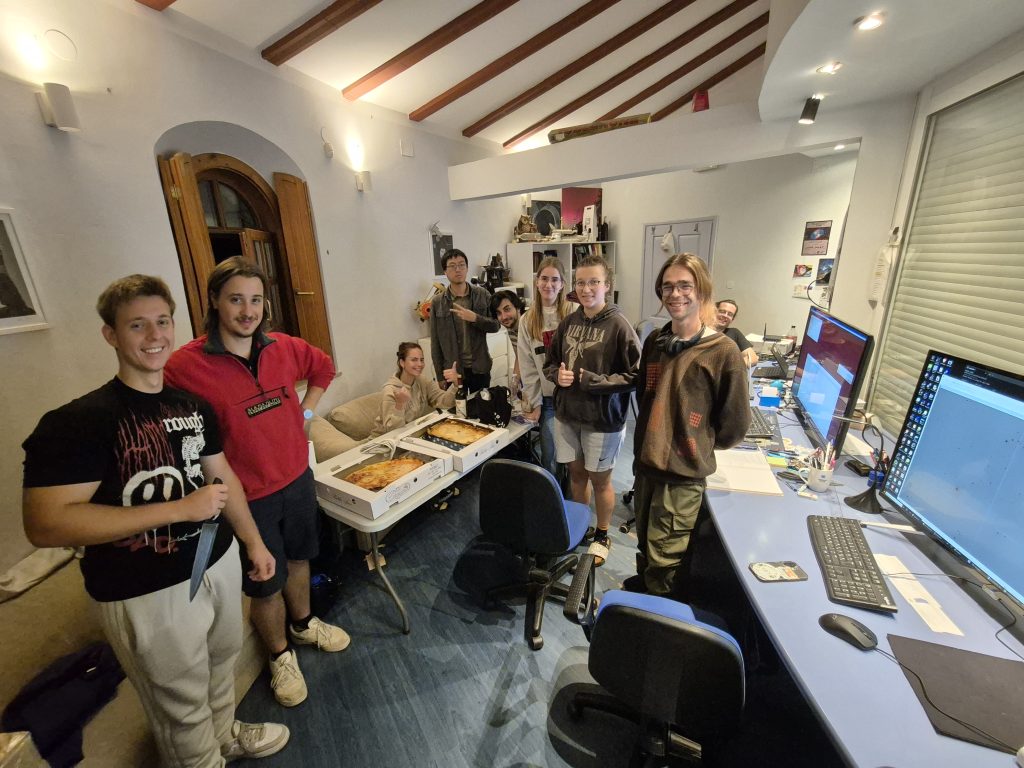
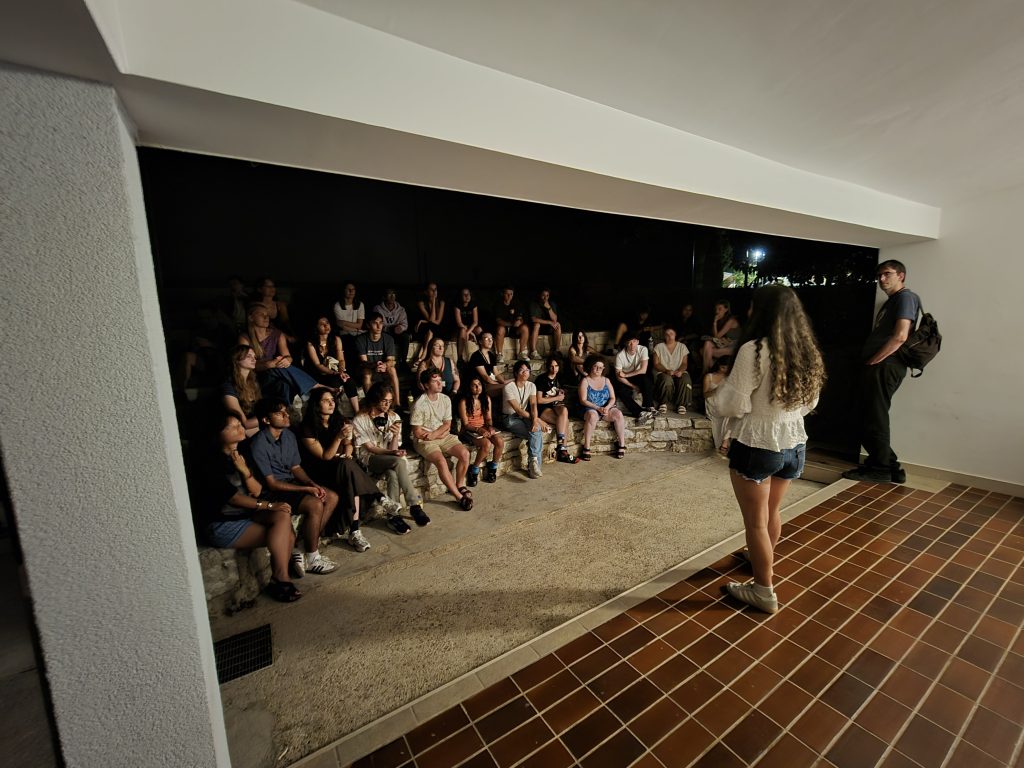
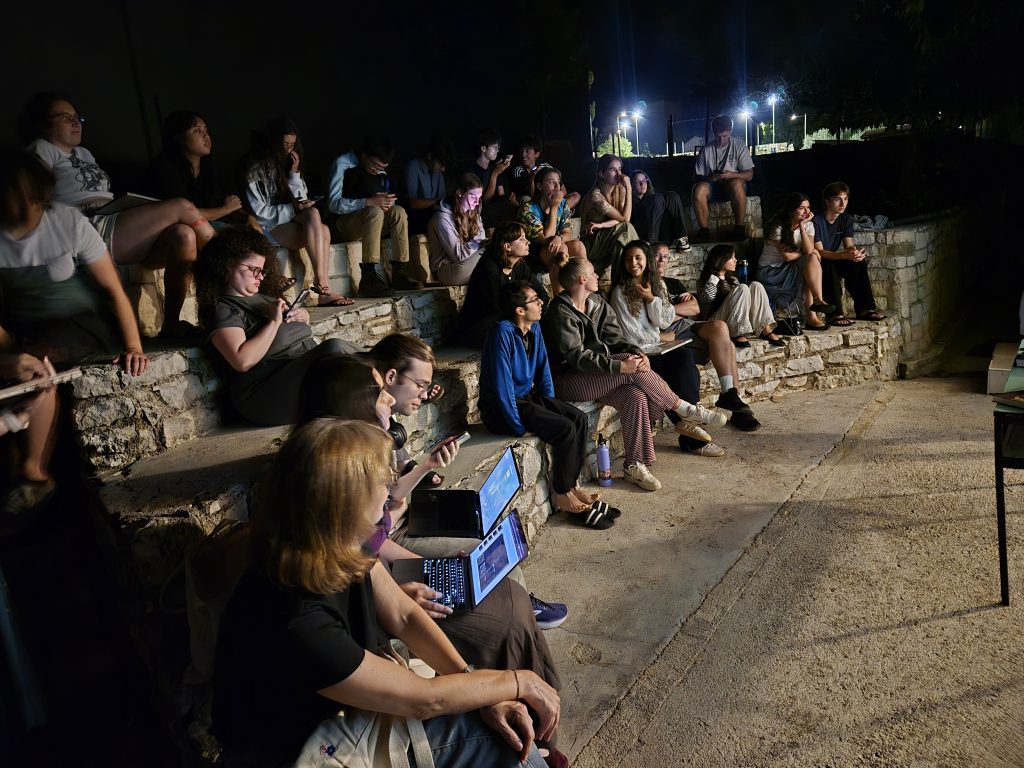
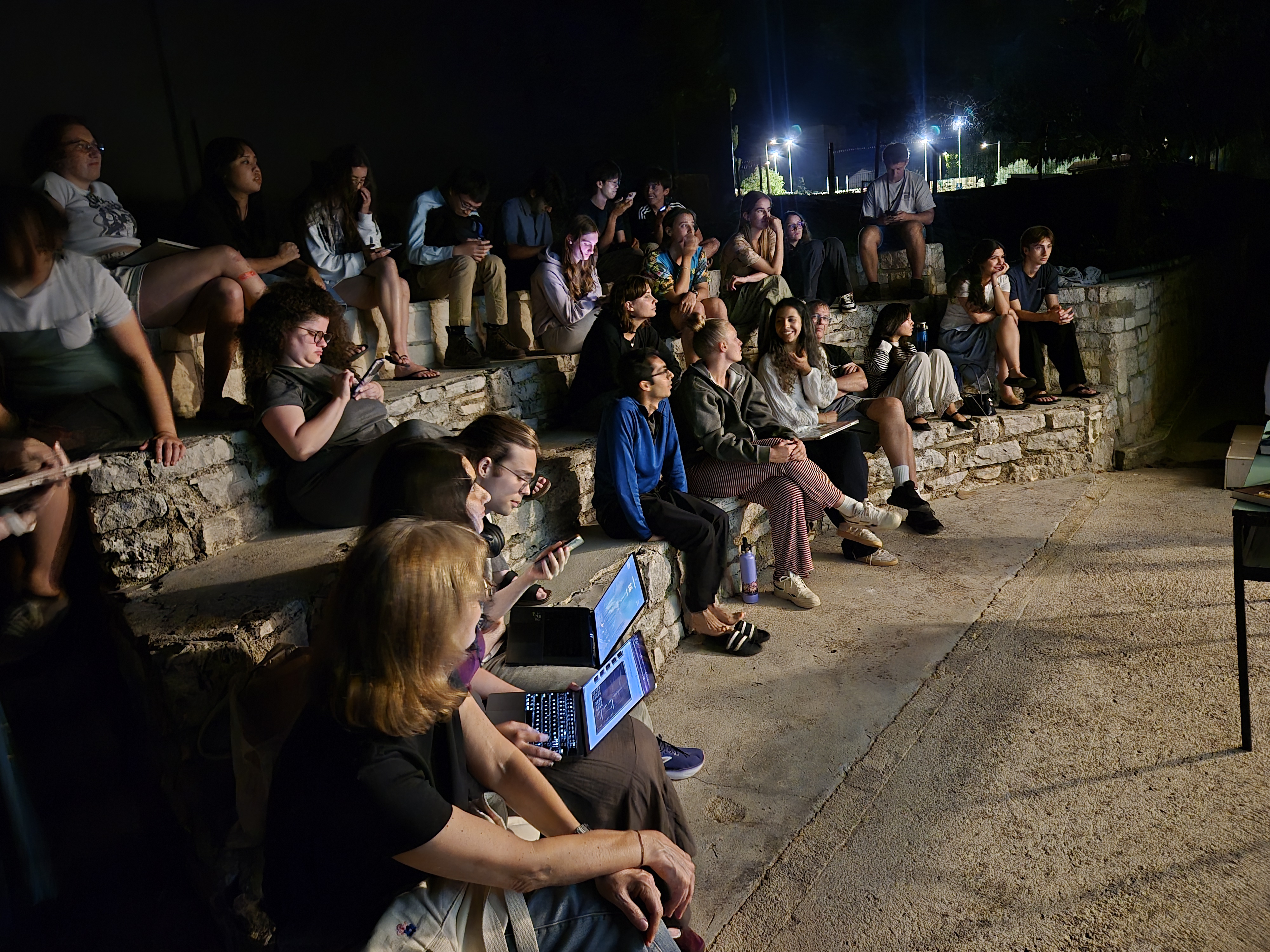
The objective was highly ambitious: over ten days, using robotic telescopes in Chile and Višnjan alongside cloud-based AI and existing IT infrastructure, the students were tasked with replicating the equivalent of two millennia of progress in positional astronomy. The workflow was continuous, alternating between day and night shifts to align with nighttime operating hours at the Chilean telescope. Lectures and briefings rotated with meals on the fly, late-night pancake baking, 1 a.m. doughnut runs, and birthday celebrations. Alongside their technical work, students visited several historical and cultural sites, including Ljubljana, Postojna, Pula, Rovinj, Poreč, Brtonigla, Grožnjan, Brijuni, and Venice.
The project’s most significant breakthrough was in development speed. According to Mario Jurić, software that would have required months of work by a five-person team two years ago was built by students in a single day using agentic AI models.
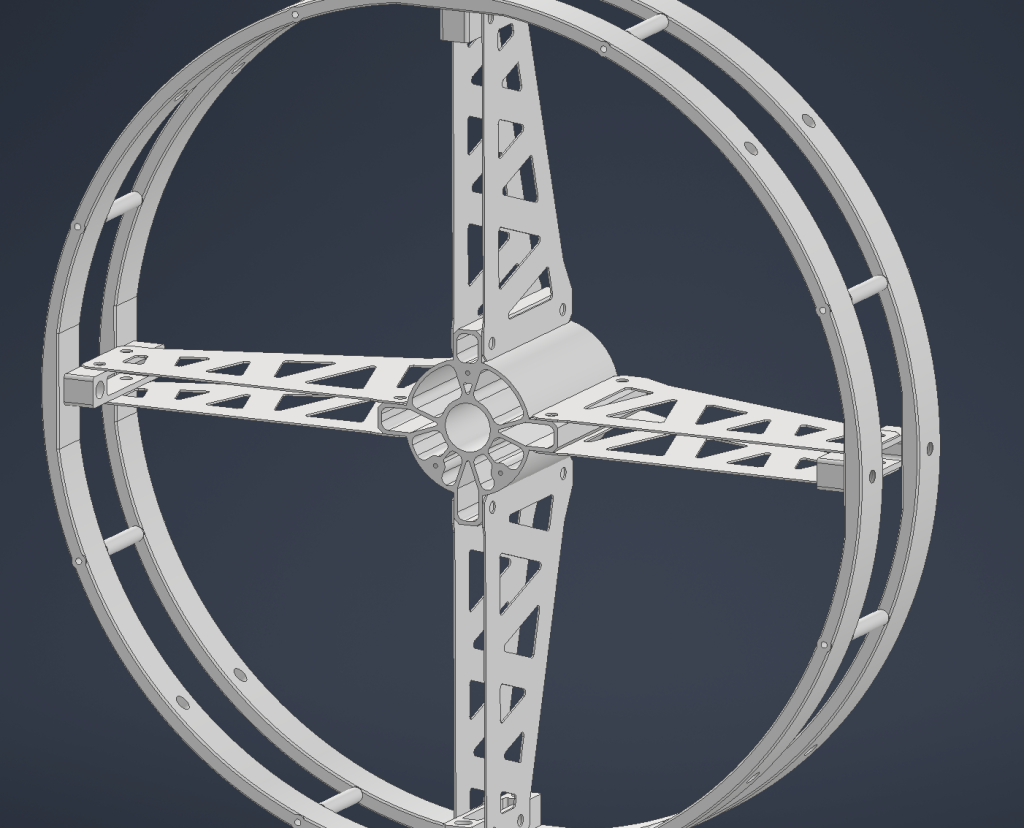
Projects initiated during the programme are ongoing. Students from the Faculty of Engineering (RITEH) are pursuing the ambitious task of re-engineering the original Višnjan Observatory telescope, while the Seattle-based software team continues to develop new software iterations and improvements. During the programme, students utilized the primary robotic telescope at Tičan, and the next automated telescope is scheduled to become operational within a year, according to the robotic observatory project manager Luka Poropat.
Nine time zones away, a long journey, “unusual” food, an exhausting round-the-clock work pace, and a highly ambitious project. We hope that the students returned home with unforgettable experiences of teamwork, camaraderie, new flavors, and the Višnjan Observatory motto: “Best practice isn’t followed; it’s created!”