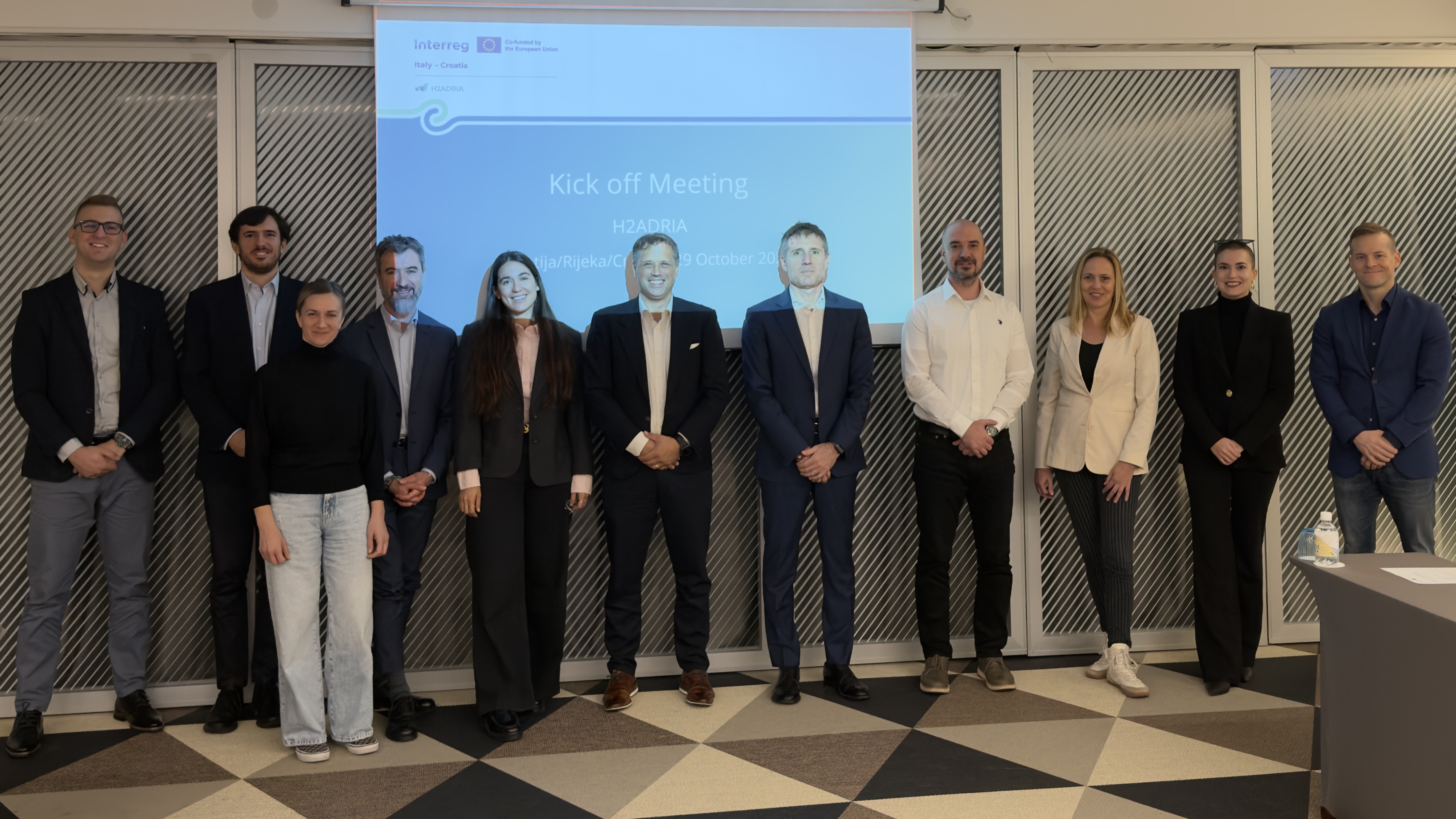
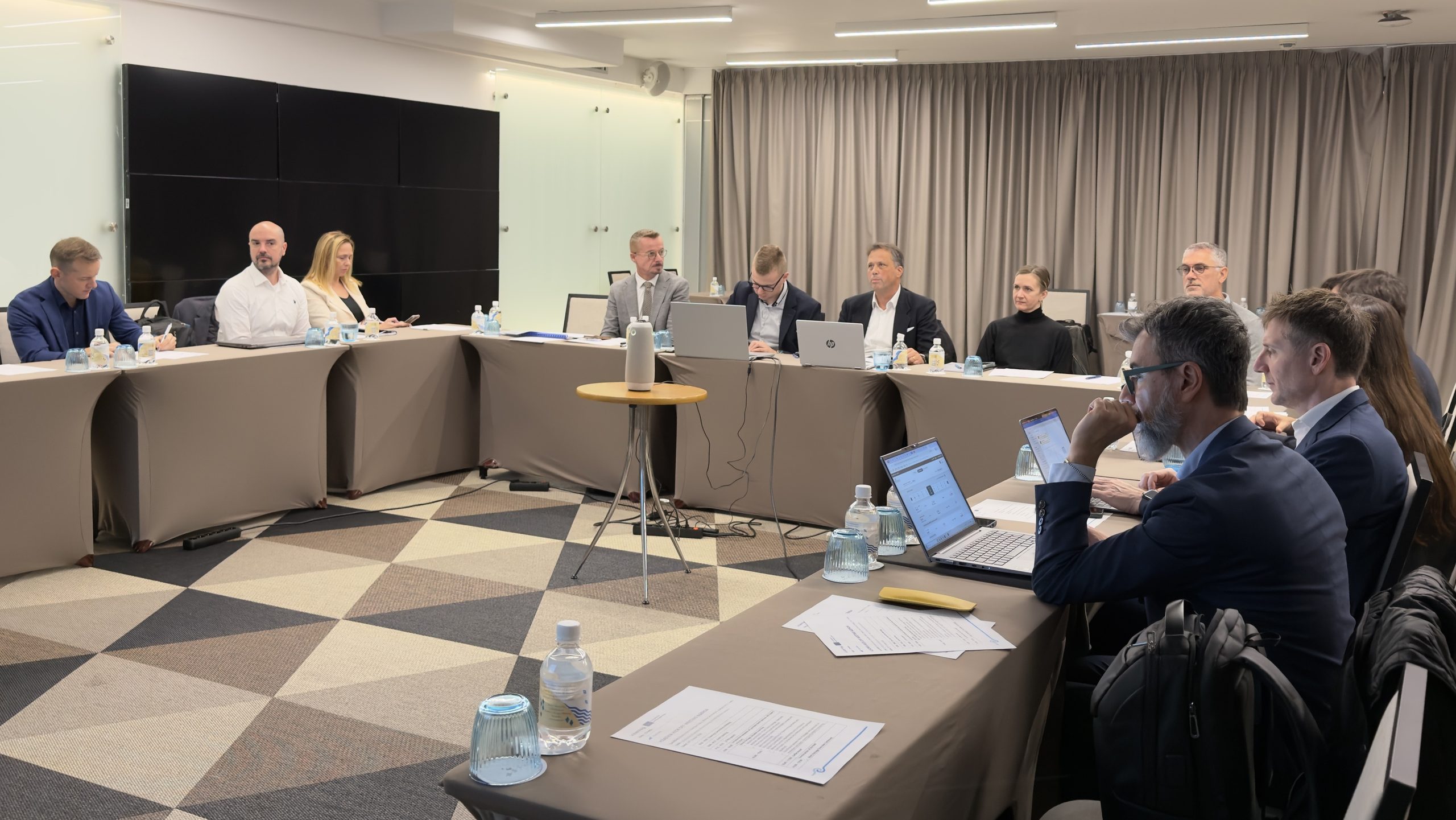
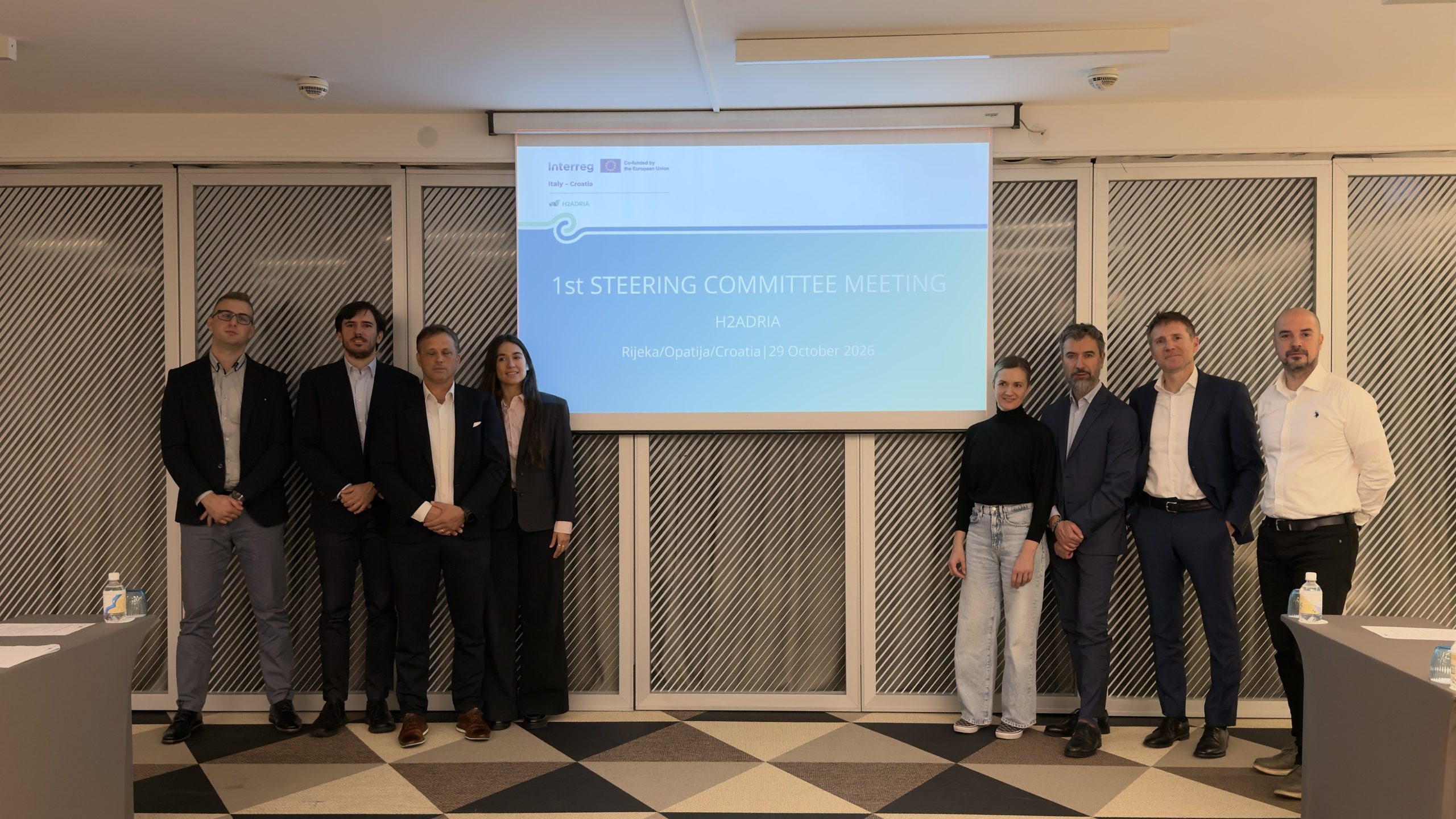
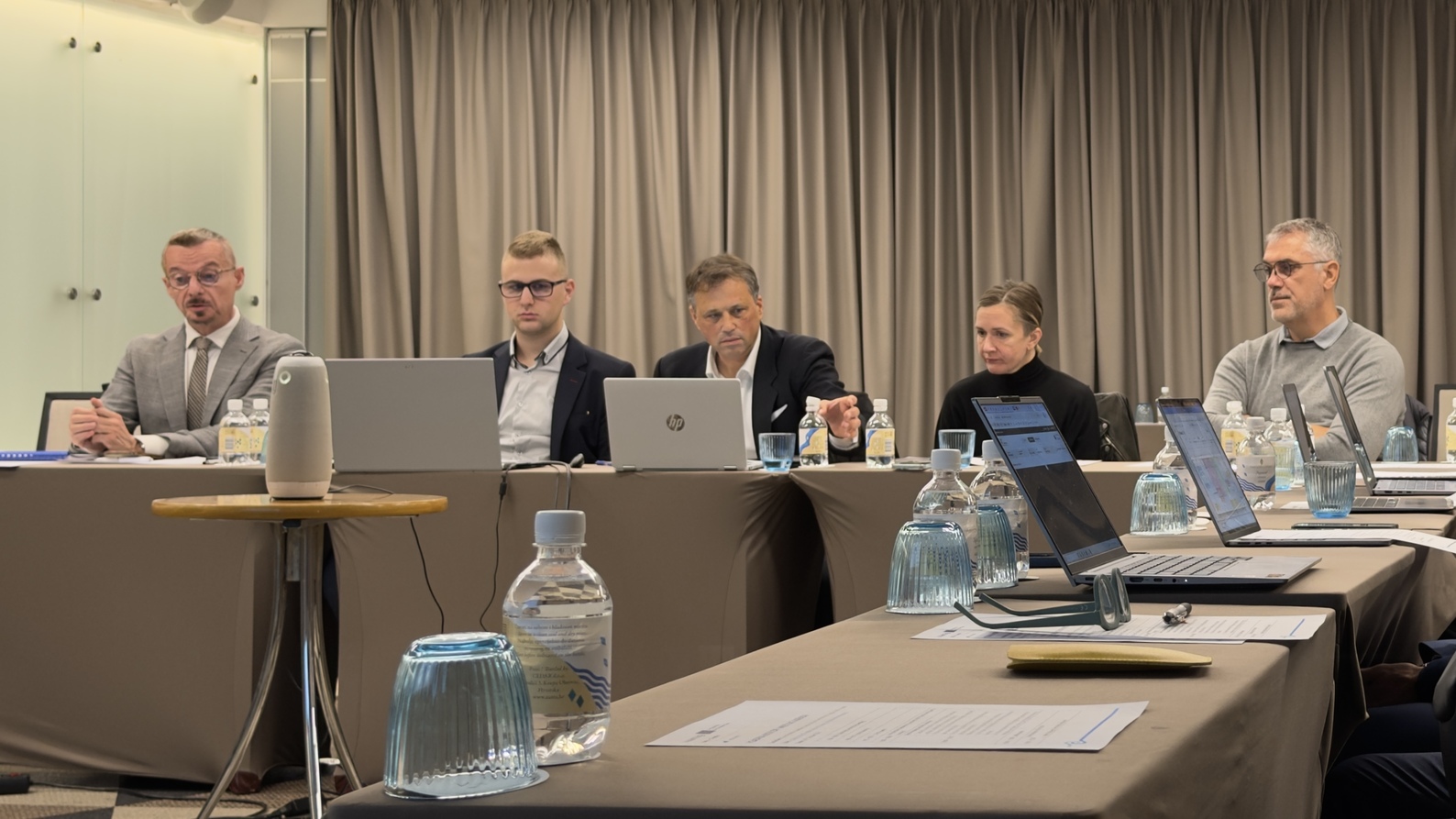
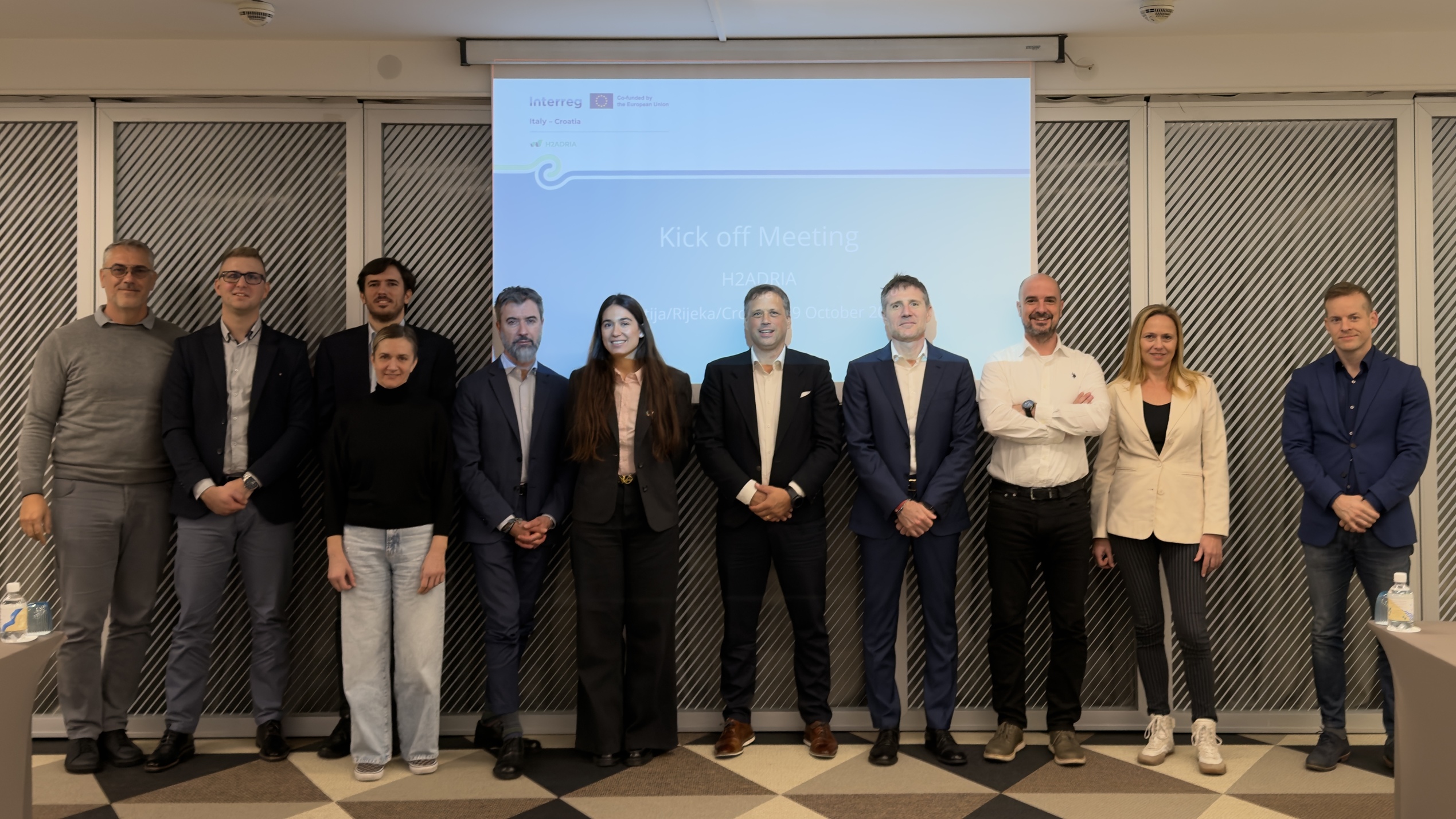
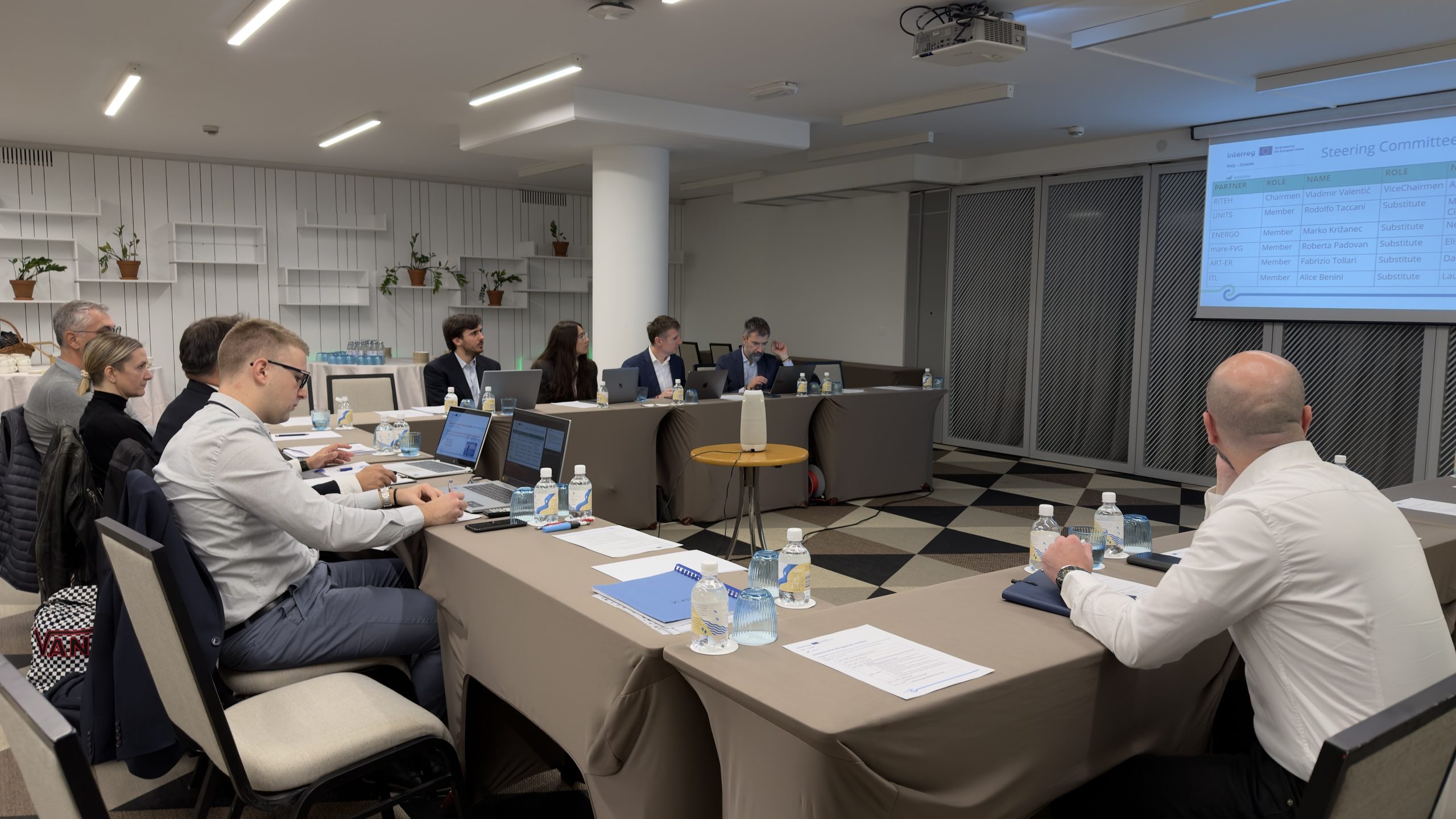
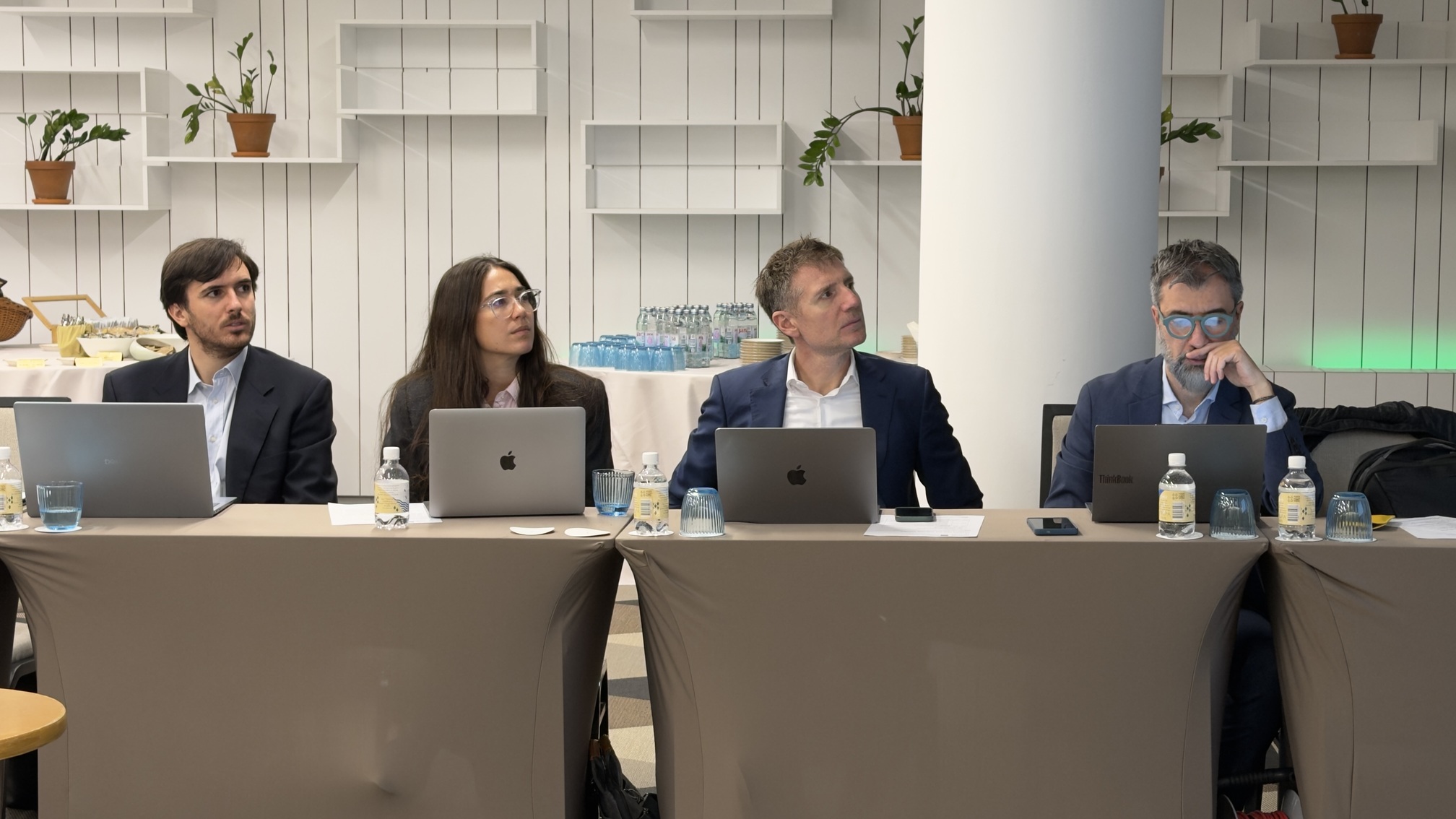
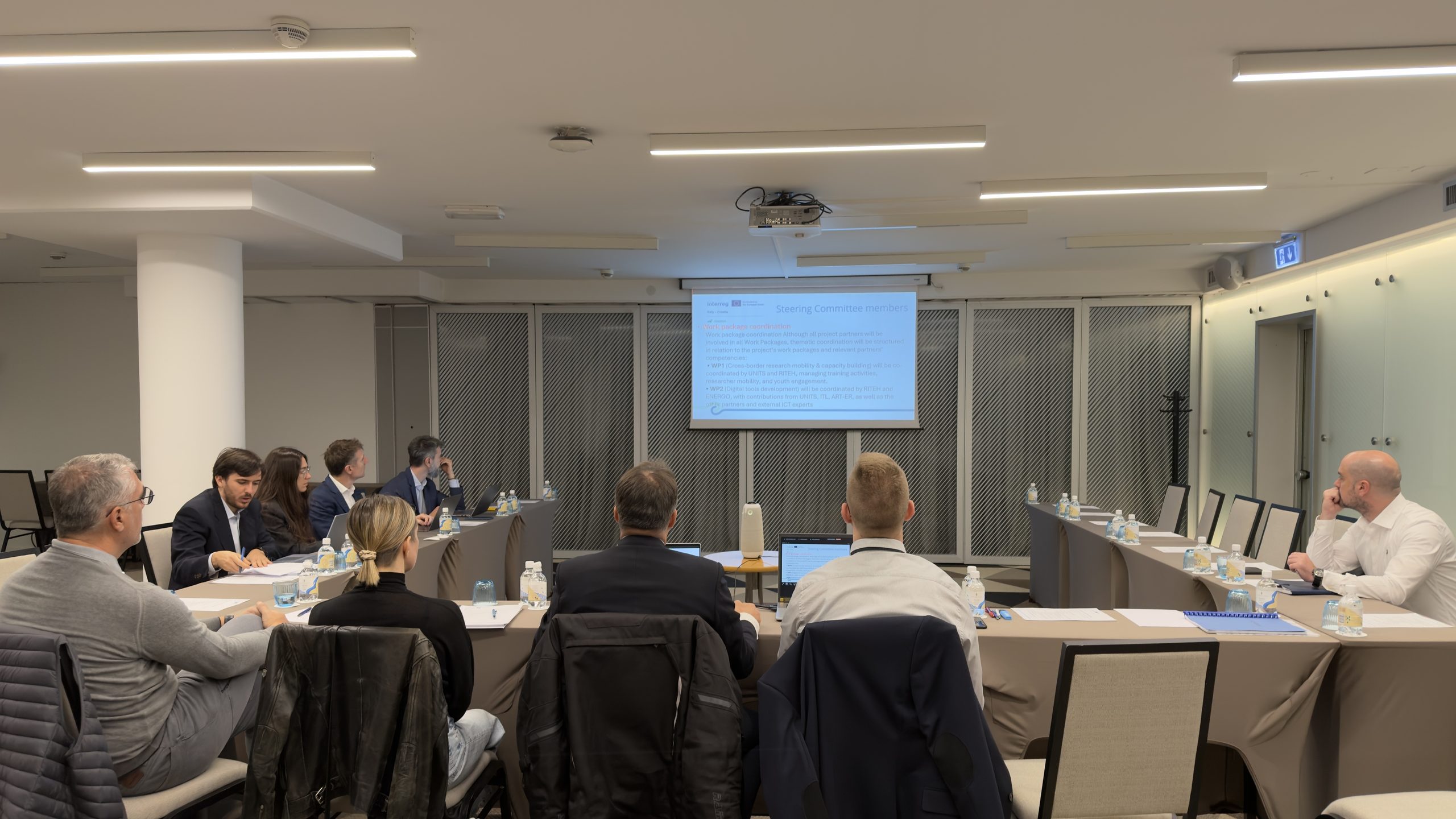
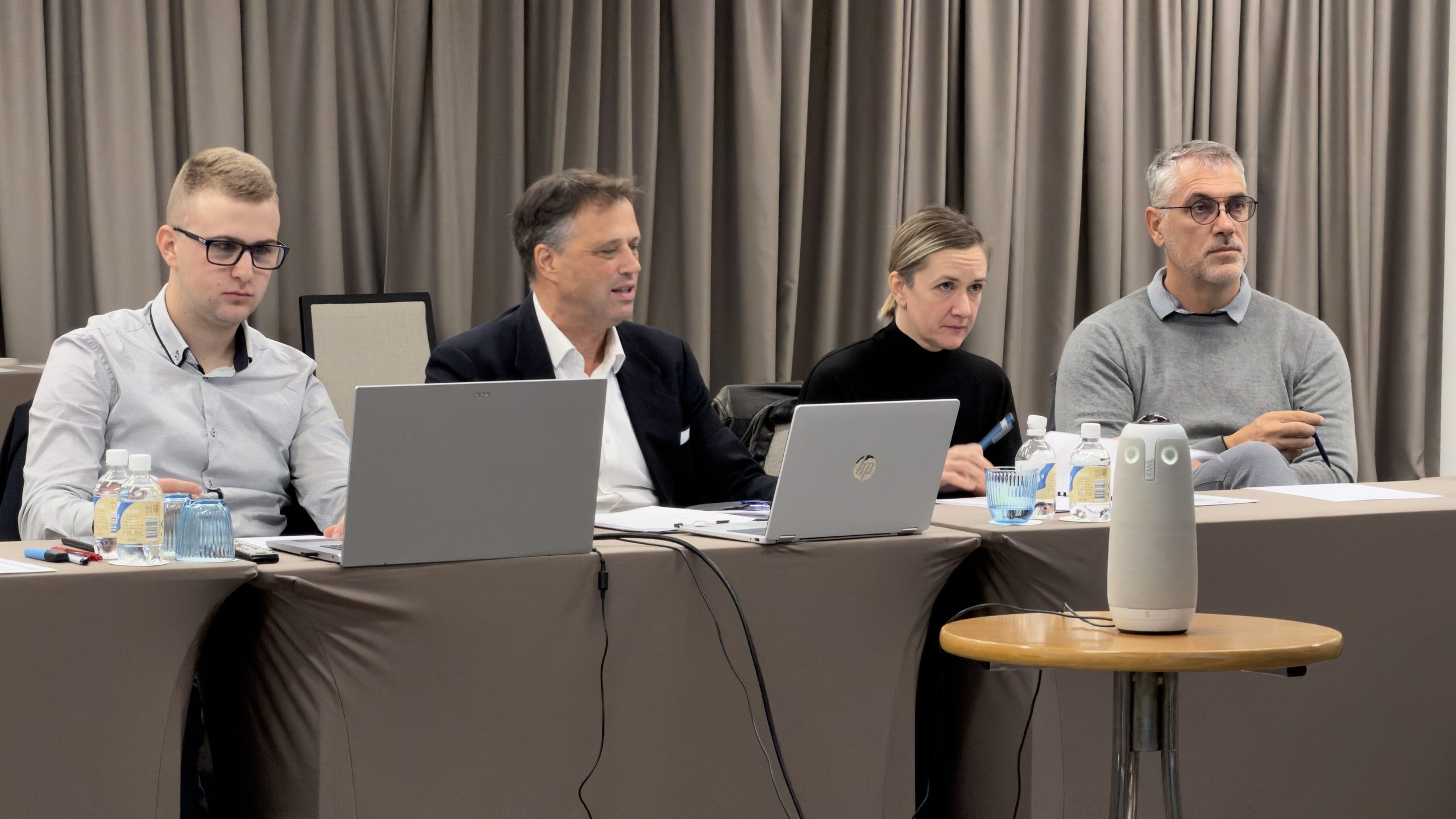
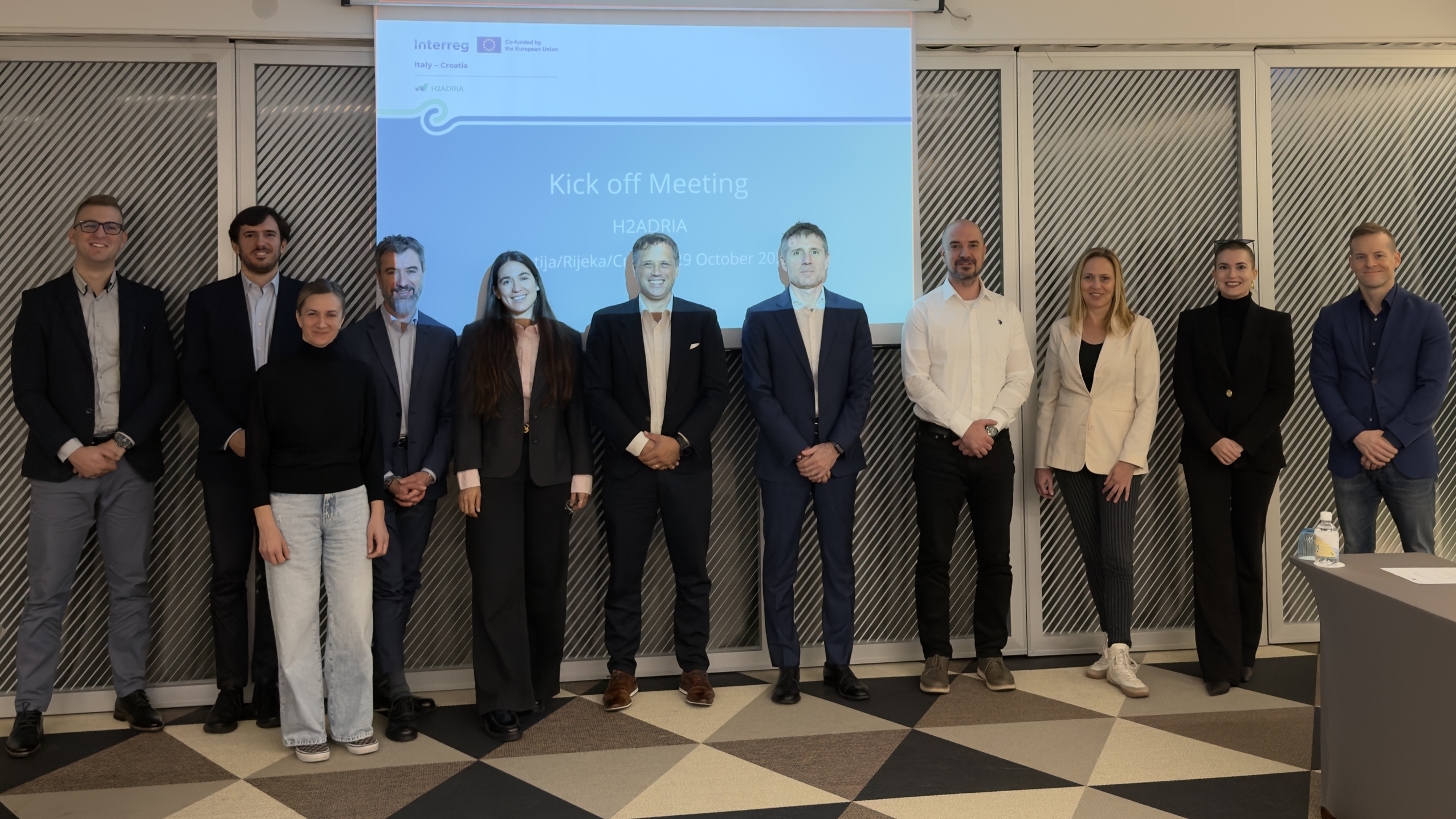
Will the residents of Rijeka heat their homes with green hydrogen in the future, and will city buses run on hydrogen instead of diesel? Experts brought together by the H2ADRIA EU project – valued at nearly €1.5 million and presented in Opatija on Thursday, October 29, 2026 – will seek answers to these and many other questions.
The lead partner of the project is the Faculty of Engineering, University of Rijeka, which will coordinate cooperation among six Croatian and Italian partners over the next 30 months to develop and implement hydrogen technologies.
As highlighted by the Dean of the Faculty of Engineering, Prof. Lado Kranjčević, the goal is for Rijeka to evolve from a site of scientific research into a testing ground for practical new energy solutions. One of the main ambitions is to establish hydrogen production to serve as a living laboratory, with potential future applications in public transport, port operations, and the district energy system.
“Our intention is to learn more about this technology and explore how it can be utilized. We could potentially develop a hydrogen refueling station and even look into using hydrogen for city buses,” Kranjčević noted, adding that Rijeka’s hilly terrain makes it an ideal location for testing hydrogen-powered buses.
Assist. Prof. Vladimir Valentić, project manager for H2ADRIA, emphasized how significant it is that the Faculty of Engineering is leading this international consortium.
“This is a fantastic opportunity for us as the lead partner in an Interreg project. The project brings together six partners in total – two from Croatia and four from Italy. Alongside the Faculty of Engineering, the Croatian partner is Rijeka’s utility company Energo, while the Italian participants include the University of Trieste, the mareFVG Maritime Technology Cluster, the ART-ER Regional Innovation Agency, and the Institute for Transport and Logistics (Fondazione ITL),” Valentić pointed out.
He explained that the project will facilitate knowledge transfer between academic institutions and industry, as well as the development of a digital platform to help businesses assess the feasibility of implementing hydrogen technologies.
“Specific entities will receive information to help them implement this technology or utilize it more effectively and efficiently,” Valentić added.
Of particular interest to local residents is the potential use of hydrogen in district heating system. Rijeka’s Energo, one of the project partners, already possesses equipment capable of utilizing a natural gas and hydrogen blend.
As explained by Nereo Milin, Head of Project Planning and Development at Energo, this technology could facilitate a gradual reduction in carbon emissions and, under certain conditions, lead to lower heating costs.
“There is definitely an option to blend a certain amount of hydrogen with natural gas in some of Energo’s heat and power plants,” Milin pointed out.
Under favorable conditions, heating prices could potentially drop as a result. However, such an outcome is not guaranteed at this stage, but rather represents one of several possibilities currently being explored.
Planned project activities also include the development of an AI-powered digital platform to simulate hydrogen facilities, assess investment feasibility, and evaluate potential CO₂ emission reductions. The Faculty of Engineering in Rijeka and the University of Trieste will modernize their research laboratories, while at least 23 companies from Croatia and Italy will receive technical and economic support.
A key part of the project focuses on maritime affairs and port logistics – sectors where emission reductions are a particular challenge. In this context, Marco Russo Cirillo from the University of Trieste pointed out that there is no single universal solution for decarbonization, which is why international cooperation is so vital.
“There is no single, straightforward path to decarbonization. Projects like this, where we discuss and evaluate solutions together, will help us find the most suitable direction,” Russo Cirillo stated.
He highlighted the strategic importance of the Rijeka and Trieste ports as key economic hubs in the Northern Adriatic, pointing out that hydrogen could play a significant role in the maritime sector’s energy transition. Furthermore, the joint development of hydrogen technologies could help ports and logistics companies find more sustainable ways of doing business while reducing their reliance on fossil fuels.
The H2ADRIA project is being implemented under the Interreg Italy – Croatia 2021 – 2027 programme, funded by the European Regional Development Fund, with a total budget of €1,498,097.24.
Although the practical application of hydrogen will depend on research outcomes and future investments, by taking a leading role in this international consortium, the Rijeka’s Faculty of Engineering is not only connecting researchers and industry leaders from both sides of the Adriatic, but is also laying the groundwork for transferring new technologies into practical use. In doing so, Rijeka gains the opportunity to become a central regional hub for green hydrogen research and implementation, while the Faculty of Engineering further solidifies its position as an innovation leader in the field of energy transition.